

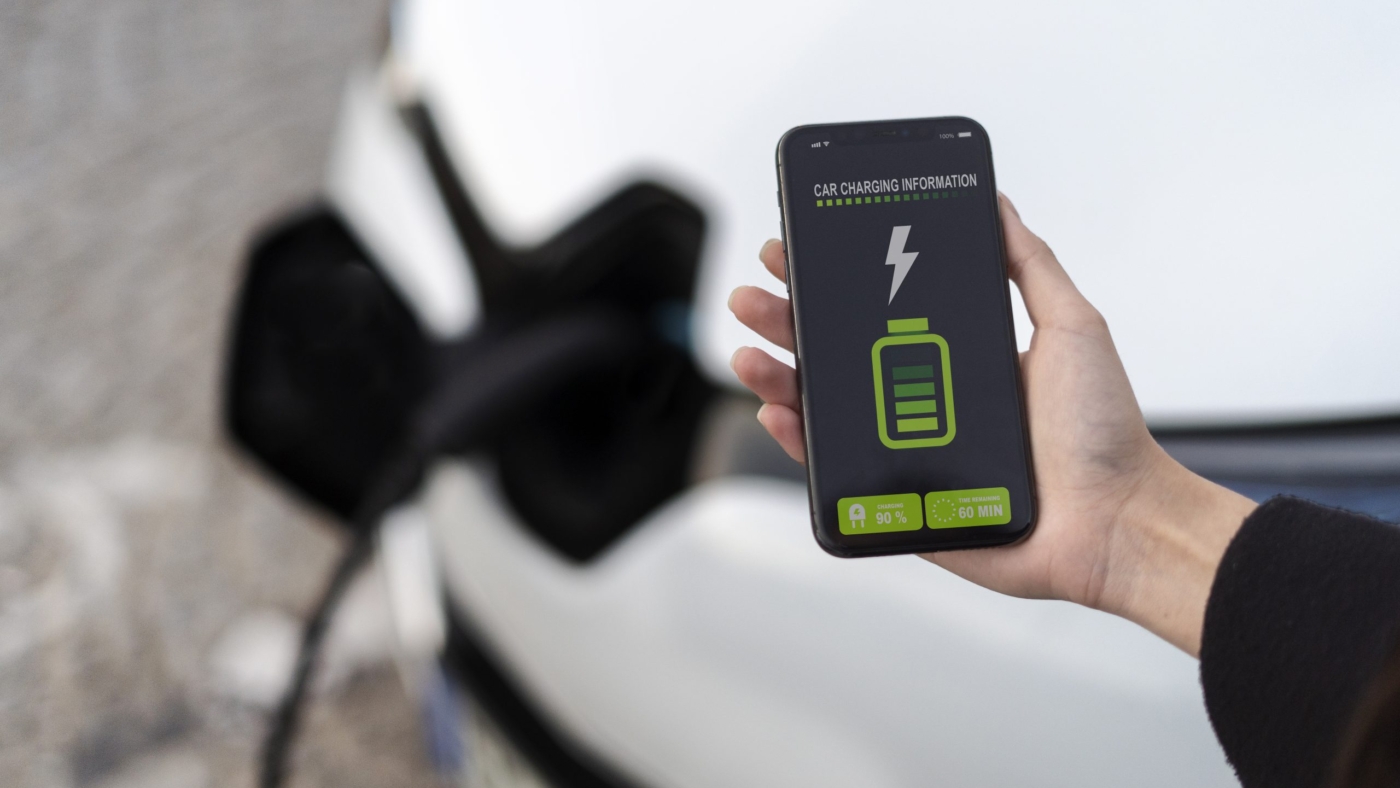
With growing concerns about climate change, rising fuel costs, and the need for sustainable transportation, electric vehicles (EVs) are gaining traction in the USA. But there’s more to EVs than sleek designs and zero emissions. Charging infrastructure, often the unsung hero, plays a crucial role in making the EV revolution a reality.
Let’s dive into the wide world of EV charging in the U.S. We’ll break it down in a way that’s easy to follow. Whether you’re an EV enthusiast, a potential buyer, or just curious — there’s a lot to discover.
Picture this: You’ve just bought a brand-new electric car. It’s stunning, high-tech, and eco-friendly. But here’s the catch — how do you keep it running? Charging is to EVs what gas stations are to traditional vehicles. And in a country as vast and varied as the United States, building charging infrastructure is both a challenge and a massive opportunity.
The U.S. EV ecosystem is growing fast. Thousands of EV charging stations must serve urban drivers, suburban commuters, rural travelers, and everyone in between. Fortunately, the country is stepping up with a combination of federal initiatives, private investments, and community-driven programs.
AC Charging: The Everyday Hero
The most common form of EV charging in the U.S. is alternating current (AC) charging — think of it as the steady and dependable option. It’s especially useful for overnight charging and is typically done at home or the workplace. Most EVs come with Level 1 or Level 2 AC chargers, which can plug directly into standard or 240V outlets.
AC charging is perfect for people who can be patient. Charging times vary based on your EV’s battery size, but an overnight charge is usually enough to keep your vehicle moving.
Why is AC charging so appealing? Convenience. It doesn’t require massive infrastructure investments. If you’ve got a parking spot and a power outlet, you’re good to go. That simplicity makes it the backbone of the U.S. charging landscape.
DC Fast Charging: The Speed Demon
Now, let’s talk about the high-speed thrill of EV charging — direct current (DC) fast charging. This is the heavy hitter of the EV world. DC fast chargers deliver high power quickly, drastically cutting down charging time. Need a quick boost during a long trip? DC fast chargers are your best friend.
In the U.S., these chargers are increasingly available at public charging stations, especially along interstates and major urban areas. They’re great for people on the go — but there’s a catch. Fast charging can be more expensive than AC charging, and not all EVs are compatible with every type of DC plug (e.g., CCS vs. CHAdeMO).
Still, the convenience is hard to beat. Imagine grabbing a coffee while your EV charges up in under an hour. That’s the future we’re heading toward — and it’s already here in many parts of the U.S.
Standardization: The U.S. Charging Landscape
The U.S. approach to EV charging isn’t just about speed — it’s also about standardization and accessibility. Unlike India’s Bharat Chargers, the U.S. supports several major charging standards like CCS, CHAdeMO, and Tesla Superchargers. The trend is moving toward CCS as the universal standard, especially with recent commitments from automakers and the government.
The development of the National Electric Vehicle Infrastructure (NEVI) Formula Program under the Bipartisan Infrastructure Law is helping standardize public charging, ensuring interoperability, and expanding the reach of charging stations nationwide.
Battery Swapping: A Concept in Waiting
Charging isn’t the only way to keep an EV running. Battery swapping is emerging as a compelling alternative — though in the U.S., it’s still in the early stages. The idea is simple: replace a depleted battery with a fully charged one. It’s quick, efficient, and eliminates the wait time for charging.
Globally, this model is seeing traction in commercial fleets. If introduced in the U.S., it could revolutionize logistics, delivery services, and ride-hailing platforms that rely on vehicle uptime.
Power from the Sun: Solar Charging
Now, imagine this: what if your EV was charged by the sun? Renewable energy is becoming a core part of America’s charging scene. Solar-powered EV charging stations are emerging, blending clean energy with practical use.
These stations not only reduce the carbon footprint of EVs but also enhance energy independence. In areas with unstable grids or during emergencies, solar-powered chargers provide a reliable backup.
Challenges Ahead
Of course, the road to nationwide EV adoption isn’t without hurdles.
-
Uneven infrastructure: Urban areas are increasingly covered, but rural regions lag behind. Expanding the network is key to nationwide accessibility.
-
Cost and investment: Building charging infrastructure is capital-intensive. While the U.S. government is investing heavily, ongoing support from private-public partnerships is essential.
-
Grid load and capacity: As EV numbers rise, so will electricity demand. Ensuring the power grid can support this increase is critical. Smart charging and load balancing technologies will play a big role in this transition.
Looking Ahead: A Vision for the Future
Despite the challenges, the future of EV charging in the U.S. looks bright. Federal initiatives like Faster Adoption of Zero Emission Vehicles, along with support from states and tech companies, are setting the foundation.
Imagine a future where EVs are as common as smartphones. Charging stations at every shopping mall, office, highway rest stop — even rural gas stations. Cleaner air. Quieter roads. And renewable energy powering it all. That’s the direction we’re heading — and every new charger brings us one step closer.
The Bottom Line
EV charging in the U.S. is a story of progress. It’s about tackling challenges, embracing innovation, and building a cleaner, more sustainable future. Whether it’s the convenience of AC charging, the speed of DC fast charging, the promise of battery swapping, or the power of solar energy, each solution plays a vital role.
As we continue on this journey, one thing is certain: EVs — and their charging infrastructure — are here to stay. They’re not just the future of transportation; they’re already shaping the present.
So whether you’re driving one today or planning to tomorrow, the U.S. charging network will be ready for you — and that’s a promise worth getting excited about.