

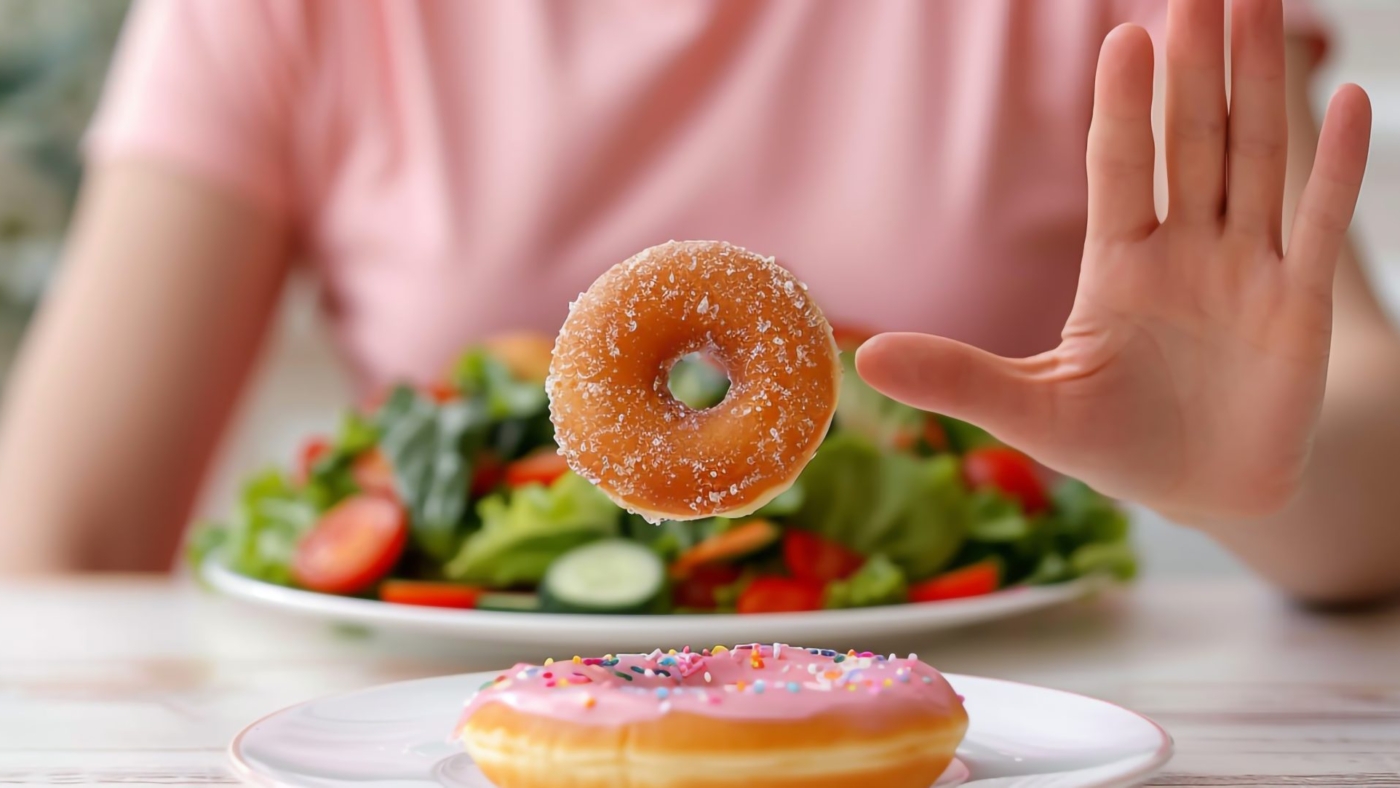
Fooled by Diet Trends? Here’s Your Reality Check in a Green Smoothie-Free Package
If I had a dollar for every time I saw a “miracle diet” trending online, I could retire, move to the south of France, and live off croissants and common sense. Seriously—diet fads are like that toxic ex who promises the world, delivers chaos, and somehow convinces you to come back every few months like you forgot how much they wrecked you last time.
We live in a world obsessed with fast everything. Faster Wi-Fi. Same-day delivery. And now? Faster weight loss. So when a flashy new trend promises to help you drop 10 pounds in a week, glow like a supermodel, and magically become your most productive self—all by eating nothing but watermelon and air—it’s no surprise people fall for it.
But here’s the unfiltered truth: quick-fix diets come with long-term consequences. They look great on Instagram but can quietly mess with your health in ways you won’t notice until you’re dealing with fatigue, hormone havoc, mood swings, and digestive drama that has you questioning every life choice.
Let’s break it down, shall we?
The Not-So-Sweet Side of Quick Fix Culture
Let’s start with the obvious: fad diets are seductive because they promise shortcuts. And let’s be honest—we love a good shortcut. Who wouldn’t want to melt belly fat overnight without actually changing anything?
But these trendy diets? They’re basically smoke and mirrors. Quick before-and-after photos, detox drinks, dramatic testimonials—they paint the illusion of health, but underneath it all is a shaky foundation built on hunger, imbalance, and desperation.
Most of these “plans” are just well-marketed malnutrition. They slash out essential food groups, drastically restrict calories, and hijack your natural hunger cues. What you lose isn’t fat—it’s water weight, muscle, and your will to be around other humans.
And when you eventually eat like a normal person again (because you will), the weight comes back. Only now your metabolism is slower, your digestion is a wreck, and you’re left wondering why you feel like a zombie after drinking a green sludge for a week.
Spoiler alert: your body isn’t a phone that can be rebooted with a juice cleanse.
Let’s Call Out the Real Red Flags
So, what do most diet fads have in common?
- They cut out entire food groups.
- They promise fast, unrealistic results.
- They ignore the fact that everyone’s body is different.
- They focus on looks, not actual health.
- They push short-term fixes over long-term well-being.
When you eliminate whole food groups—like carbs, for example—you’re not just ditching the “bad stuff.” You’re depriving your body of a primary energy source. You’re also messing with your brain chemistry, hormones, gut health, and your ability to not rage at your coworker for chewing too loudly.
Sure, you might drop a few pounds, but your immune system takes a hit. Your energy plummets. Digestion? Totally off. Mental clarity? Bye. And all for what? A number on a scale that’s just going to creep back up the second you eat a sandwich?
And let’s not even get started on the overpriced “detox” teas. Your liver and kidneys already do the detoxing. What you don’t need is a $75 herbal regret that keeps you tethered to your toilet for 72 hours. You need water, fiber, and rest. That’s the real cleanse.
Why Balanced Eating Is the Unsexy Truth We Need
Okay, I get it. “Balanced diet” doesn’t go viral like “Flat Belly in 5 Days!” does. But hang with me, because balance is where the real magic happens.
A sustainable, healthy diet is not restrictive. It’s not punishing. And it’s definitely not about shrinking yourself into a socially acceptable size at record speed.
It’s about fueling your body so it can thrive, not just survive.
A balanced diet includes:
- Complex carbs for lasting energy
- High-quality protein for muscle and repair
- Healthy fats for hormones and brain function
- Fiber for digestion and blood sugar balance
- Vitamins and minerals your body can’t live without
It’s about consistency over extremes. You’re not trying to impress anyone by surviving on ice cubes and ambition. You’re building energy that lasts, moods that don’t swing like wrecking balls, and skin that glows because it’s nourished, not parched and angry.
And yes, this means eating real meals. Regularly. Skipping breakfast and running on iced coffee isn’t a personality. It’s a breakdown waiting to happen.
Personalized Nutrition: Because You’re Not a Copy-Paste Human
Here’s the truth: you’re not a carbon copy of someone on TikTok. Your body has its own unique needs, rhythms, sensitivities, and quirks. What works for your best friend or that ripped guy on YouTube might not work for you. And that’s okay.
Finding what works for your body isn’t about chasing every new diet until one sticks. It’s about listening. Pay attention to how food makes you feel. Are you bloated after certain meals? Crashing every afternoon? Craving sugar when you skip breakfast?
These aren’t just annoyances—they’re signals.
Personalized nutrition is about curiosity, not control. It’s about tuning in, experimenting, and being compassionate with yourself. And no, it doesn’t mean you’ll never eat pizza again. It means you find a rhythm that fits your life, your movement, your mental health, and your goals.
Final Thoughts: Fire Diet Culture and Reclaim Your Plate
Let’s be blunt: diet culture is a billion-dollar industry built on your insecurities. It thrives when you feel broken. It profits when you hate your body. And it will keep recycling the same old starvation strategies dressed up as “biohacks” until we stop buying the lie.
Your health is not a trend. It’s not a quick fix. It’s not a sprint to squeeze into a pair of jeans. It’s a lifelong relationship with your body—and like any good relationship, it deserves patience, trust, and respect. Not punishment.
You deserve to eat. You deserve to feel good. You deserve to enjoy food without guilt or shame.
You do not need to cut carbs to be worthy.
You do not need to skip meals to be attractive.
You do not need to fear food to be healthy.
You just need to listen to your body, nourish it with care, and block out the noise that says smaller = better.
Let’s stop letting diet trends run our lives. Let’s eat like we love ourselves. Let’s live like we’re done falling for empty promises wrapped in pretty packaging.
Because real health?
It’s not about looking different.
It’s about feeling alive.